Spooner, Wisconsin: “The Crossroads of the North”
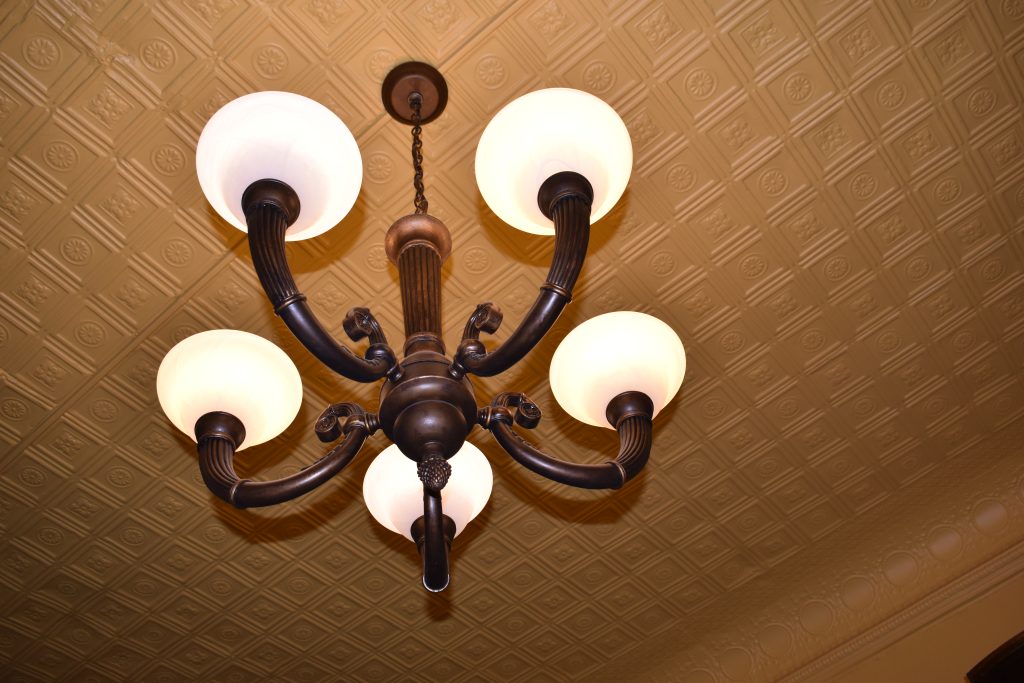
Spooner, Wisconsin, fondly known as the “Crossroads of the North”, boasts a history as rich and layered as the tin ceilings gracing its downtown storefronts. From its railroad roots to its architectural gems and local legends, Spooner offers a tapestry of stories that have shaped our community identity.
A Strong Railroad History
The heartbeat of Spooner traces back to 1879, when the North Wisconsin Railway extended its line toward what became Chicago Junction. Not long after, the junction relocated slightly south and was renamed Spooner, honoring John Coit Spooner, a prominent railroad lawyer turned U.S. senator. The town sprang up around tracks that carried freight and passengers to and from Chicago, Duluth, and beyond.
By the early 20th century, Spooner had become a bustling railroad hub: a vast roundhouse, machine shops, turntables, and, at its peak, 18 passenger trains traversed the depot daily. Notably, President Truman even made a campaign appearance here in the 1940s, testament to Spooner’s influence in the region.
Architecture & Tin Ceilings
Following a devastating 1905 fire, downtown Spooner reimagined and modernized. One striking feature from that era? The ornate tin ceilings installed throughout downtown businesses. Once used as economical yet fire-resistant alternatives to plaster, 17 original tin-ceilinged buildings survive today, each more intricate than the last.
Visitors can explore them through the Spooner Tin Ceiling Tour, complete with audios, brochures, and downtown plaques, a real-life dive into craftsmanship from a bygone era.
Local Landmarks & Tales
- George V. Siegner House (513 Dale Street): Built in 1904 by the town’s foremost businessman, this Queen Anne residence reflects Spooner’s golden age of commerce. Siegner, proprietor of a popular department store, was once the wealthiest man in Washburn County.
- Mrs. Richard Polson House: A Prairie School–Beaux Arts masterpiece from 1917, designed by Purcell & Elmslie, this stately home stands just outside city limits and is listed on the National Register of Historic Places.
These residences speak to Spooner’s embrace of architectural trends and its confidence as a growing community.
Museums & Cultural Legends
- Railroad Memories Museum: Housed in the old 1902 Omaha depot, the museum charts the rise, fall, and legacy of Spooner’s railroad heyday—complete with artifacts, dioramas, tools, and the restored snowplow once used on winter rails.
- Wisconsin Canoe Heritage Museum: Located in a repurposed grain elevator, this is the nation’s only museum dedicated solely to North American canoe history. Since 2010, it’s celebrated our indigenous and frontier spirit through exhibits and hands-on craftsmanship.
Legends & Lore
As a railroad crossroads, Spooner was once a melting pot of daring tales: tales of heists, stranded trains in harsh winters, heroic firefighters, and townsfolk rallying after devastating fires. Though specific stories fade, locals still speak of “western‑style robberies” and railroad drama passed down through generations, including railroad worker Tim Belter, whose family has tales stretching back to early service.
Today’s Spooner: Heritage in Motion
Today, Spooner honors its legacy through annual events like the Heart of the North Rodeo (since 1954), canoe festivals, and historical walking tours. PBS’s “John McGivern’s Main Streets” even spotlighted our hometown, praising its railroad roots, outdoor charm, and local fare (including Mayana Chocolate)!
Why Spooner’s Story Matters
Spooner reflects the story of American growth; once a frontier town and railroad hub, now a community that honors its past while moving forward. Tin ceilings show the work of skilled hands, museums preserve the industries that built us, and historic homes and main streets tell the story of generations who shaped this place.
By cherishing and sharing these stories through tours, festivals, preservation efforts, and community events, we don’t just look at the past, we live it. And in doing so, Spooner remains not just the Crossroads of the North, but the crossroads of time, memory, and imagination.